Resume and career advice that gets you hired.
ChatGPT Resume Prompts I Tested (and Where Each One Broke)
Eight ChatGPT resume prompts tested on a real profile, with the actual output shown. See where the generic prompt invented tools, where a "good" draft inflated results, and the prompts that fixed it.
Alex Khamis · 12 min read
8 Synonyms for Contribute to Use on Your Resume in 2026
Stop using 'contributed.' Find powerful synonyms for contribute like 'strengthened,' 'facilitated,' and 'advised' to make your resume stand out to recruiters.
Alex Khamis · 15 min read
How to Write a Resume for Internship That Gets Interviews
Learn how to write a resume for internship that gets interviews, with practical steps, ATS tips, bullet examples, and templates tailored to students.
Alex Khamis · 13 min read
Technical Interview Questions: Top Strategies for 2026
Practice top technical interview questions with clearer reasoning frameworks, expert-backed guidance, and model approaches for coding screens.
Alex Khamis · 19 min read
How to Write a Cover Letter for Internship That Gets Read
Learn how to write a cover letter for internship roles with structure, examples for tech, data, and business fields, and ATS tips that actually work in 2026.
Alex Khamis · 12 min read
What Is a Curriculum Vitae and When Do You Actually Need One
What is a curriculum vitae? Learn how a CV differs from a resume, the sections it includes, where it's required, and how to format one for ATS in 2026.
Alex Khamis · 13 min read
Top 8 Common Interview Questions and Answers for 2026
Prepare for interviews with our guide to common interview questions and answers, featuring expert tips and sample responses to help you land the job in 2026.
Alex Khamis · 19 min read
Do I Need a Cover Letter? the 2026 Answer for Job Seekers
Do I need a cover letter in 2026? Yes, in most cases. Learn when it's required, when it's optional, and how to write one that gets you noticed by recruiters.
Alex Khamis · 16 min read
Why Am I Not Getting Interviews? Fix It in 2026
Why am I not getting interviews? Uncover real reasons, from ATS to weak targeting, and get actionable fixes to land your next job in 2026.
Alex Khamis · 11 min read
How Far Back Should My Resume Go? 2026 Guide
Unsure how far back should my resume go? Debunk the 10-year rule and tailor your work history for 2026 career success. Get expert tips now!
Alex Khamis · 16 min read
Master How to Sign Cover Letter: Pro Tips 2026
How to sign a cover letter in 2026: why typed beats handwritten on digital applications, the right closing for the role, and format-by-format rules for PDFs, email, portals, and print.
Alex Khamis · 15 min read
How Long Should a Cover Letter Be? (Ideal Length and Word Count)
How long should a cover letter be? 200 to 350 words, three to four short paragraphs, and one page at most. Here's the ideal length by situation, plus a real letter cut from two pages to one.
Alex Khamis · 7 min read
What Is the Purpose of a Cover Letter?
The purpose of a cover letter is to do what a resume can't: connect your experience to one specific role and reader. See it in a real annotated example, plus when a cover letter actually gets read.
Alex Khamis · 6 min read
Cover Letter vs Resume: What Each One Is Actually For
A resume is the record of what you've done; a cover letter explains why it matters here. See the difference in action, with real before-and-after examples and when each one actually gets read.
Alex Khamis · 9 min read
How to End a Cover Letter (Closings That Get a Response)
How to end a cover letter the right way: a short closing that restates interest, points to your value, and asks for the interview, plus the best sign-offs and the filler endings to cut. With examples.
Alex Khamis · 7 min read
How to Write a Resume That Gets Interviews
How to write a resume that gets interviews: a section-by-section walkthrough from an r/resumes moderator, built around what recruiters actually do in the first few seconds and what matters less.
Alex Khamis · 10 min read
Skills to Put on a Resume in 2026 (With Examples by Job Type)
Which skills to put on a resume in 2026: 8 to 12 hard skills mirrored from the posting, examples by job type, and the entries that quietly hurt you, from a CPRW who's written 1,200+ resumes.
Alex Khamis · 8 min read
Functional vs. Chronological vs. Combination Resume Formats: Which One Actually Works
Reverse-chronological works for most job seekers, and functional resumes signal you're hiding something. A CPRW who's written thousands of resumes explains why, and when a combination format is the answer.
Alex Khamis · 7 min read
Resume Objective Examples: What Still Works in 2026 (and What to Write Instead)
Resume objectives are mostly obsolete. A CPRW who's written 1,200+ resumes shows what recruiters read instead, with objective-to-summary rewrites for entry-level, career change, and more.
Alex Khamis · 9 min read
How to Prepare for an Interview (Without Wasting Time on the Wrong Things)
Most advice on how to prepare for an interview says research the company. The real lever is defending your own resume. Here's the priority order that works.
Alex Khamis · 8 min read
Targeted Resume Example: How to Tailor One Resume to Two Different Jobs
A targeted resume isn't a full rewrite. It's a 20 to 30 minute edit to three zones: the summary, your top bullets, and the keywords that match the posting. See one real channel manager's resume tailored to two very di...
Alex Khamis · 7 min read
ChatGPT Resume Prompts: Which Ones Actually Work in 2026 (Graded by a CPRW)
Alex Khamis · 9 min read
Is ChatGPT Good at Reviewing Resumes? A CPRW's Honest Test
Alex Khamis · 16 min read
Crafting the Ultimate Project Manager Resume
Build a job-winning project manager resume with our guide. Get ATS-friendly advice, real-world examples, and proven strategies to land your next interview.
Alex Khamis · 14 min read
How to Write an Executive Resume Summary That Gets You Hired
Learn how to write a powerful executive resume summary that bypasses recruiters and ATS. Get expert advice, real-world examples, and common mistakes to avoid.
Alex Khamis · 11 min read
Why Keywords Alone Won't Fix Your Resume (And What Actually Works)
Learn why stuffing your resume with keywords doesn’t land interviews and how adding real context to your experience can make hiring managers say yes.
Alex Khamis · 12 min read
Hard Skills Examples: What Actually Converts on a Resume in 2026 (Based on 1,200+ Resumes)
Discover the top 10 examples of hard skills strategies and tips. Complete guide with actionable insights.
Alex Khamis · 13 min read
The 11 Best Free Resume Builder Options for 2025 (Analyzed & Ranked)
Searching for the best free resume builder? We analyzed 12 top tools for features, ATS-friendliness, and free tier limits to help you land your next job.
Alex Khamis · 27 min read
How to write a cover letter that gets you hired
Learn how to write a cover letter that beats ATS bots and impresses recruiters. Get practical examples and expert tips to land more interviews.
Alex Khamis · 21 min read
How to write a resume that gets you hired
Learn how to write a resume that impresses recruiters and beats screening software. Get practical tips and real-world examples to land more interviews.
Alex Khamis · 26 min read
Problem Solving Skills on a Resume: Stand Out & Land Interviews
Alex Khamis · 17 min read
What Recruiters Look for in Resumes to Get Hired
Discover what recruiters look for in resumes. Learn how to optimize for ATS, highlight achievements, and land more interviews with our expert guide.
Alex Khamis · 23 min read
How to Write a Career Change Resume to Land Interviews
How to write career change resume: learn to highlight transferable skills and land interviews with practical tips and real-world examples.
Alex Khamis · 23 min read
How to List Skills on Your Resume to Get Noticed Fast
How to list skills on resume: Learn how to showcase strengths, balance hard and soft skills, and optimize placement for ATS.
Alex Khamis · 17 min read
Chronological vs Functional Resume: Which Should You Use?
Choosing between a chronological vs functional resume? This guide compares formats, ATS compatibility, and recruiter preferences to help you land the interview.
Alex Khamis · 21 min read
Craft a Winning Resume Executive Summary Statement
Learn to write a resume executive summary statement that gets you noticed. This guide offers practical tips, examples, and templates to land more interviews.
Alex Khamis · 16 min read
Data Analyst Resume Keywords: What Actually Gets You Interviews in 2026
data analyst resume keywords: boost your profile and land interviews in 2025 with practical tips and examples.
Alex Khamis · 6 min read
How to tailor resume to job description and land interviews
Learn how to tailor resume to job description with actionable steps, keyword placement, and examples to boost responses.
Alex Khamis · 18 min read
How to Make Your Resume ATS Friendly and Land Interviews
Learn how to make resume ATS friendly with our expert guide. We cover formatting, keyword optimization, and common mistakes to help you beat the bots.
Alex Khamis · 21 min read
7 Essential AI Based Resume Builder Free Tools for 2025
Discover 7 essential AI based resume builder free tools for 2025 Compare features pricing and tips to create ATS optimized resumes and boost your job search
Alex Khamis · 17 min read![14+ Teacher resume examples & cover letter templates [2025]](/_astro/cover.CXTRZ8I4_Z2tviC2.webp)
14+ Teacher resume examples & cover letter templates [2025]
Explore teacher resume examples and templates to build a winning application. Use Resumatic to create a professional resume that stands out in education.
Alex Khamis · 14 min read
13 Business resume examples & templates
Explore the best business resume examples and templates to showcase your skills, experience, and impact with ATS-friendly formatting.
Alex Khamis · 11 min read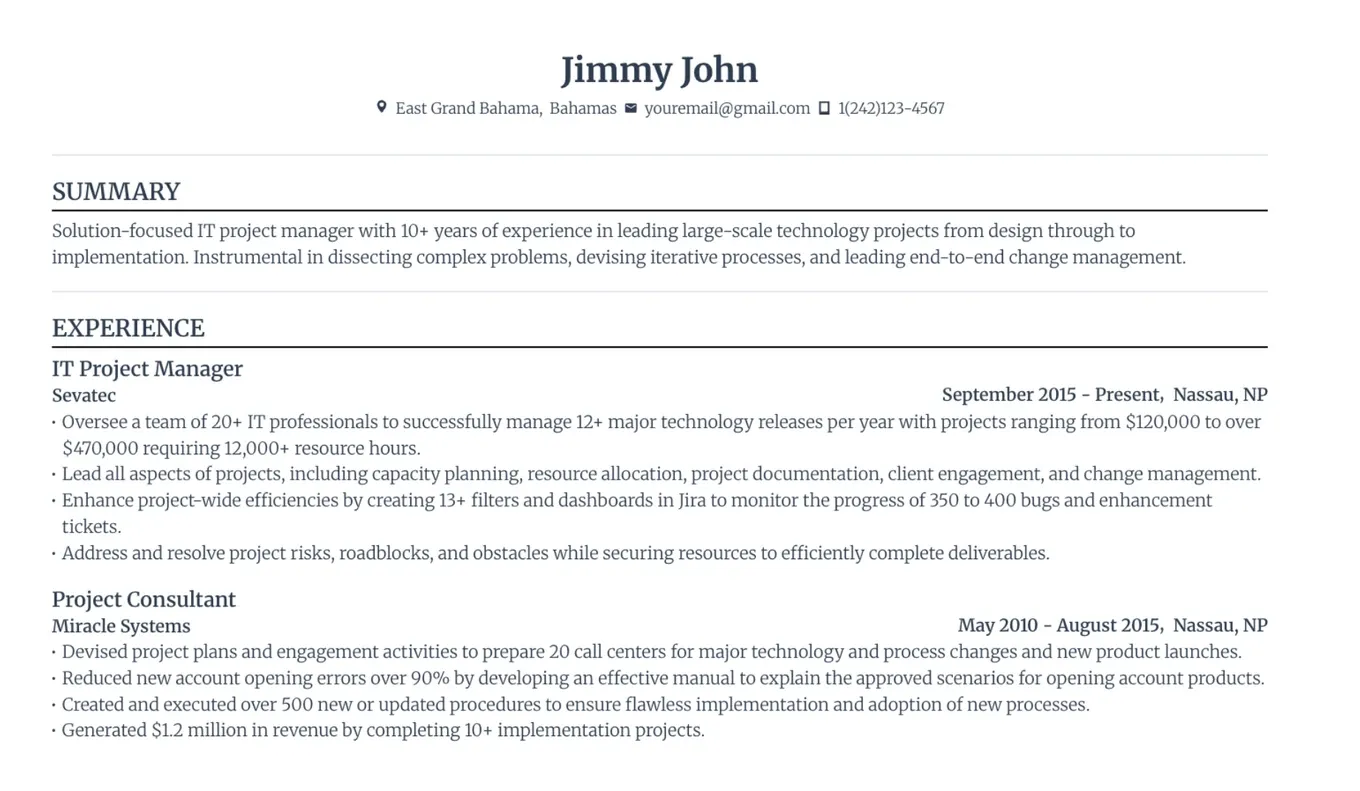
9+ Federal resume examples & templates
Discover federal resume examples and templates to build a professional application tailored to government hiring requirements.
Alex Khamis · 10 min read
23+ medical resume examples & templates
Discover professional medical resume examples and templates that help you showcase your skills, experience, and credentials to stand out in healthcare roles.
Alex Khamis · 16 min read
40+ intelligent questions to ask at the end of an interview
Ask the best questions at the end of your interview to stand out, show genuine interest, and determine if the role and company are truly right for you.
Alex Khamis · 13 min read
Best careers for introverts in 2025
Explore the best careers for introverts, featuring roles that offer focus, independence, and meaningful work without constant social interaction.
Alex Khamis · 12 min read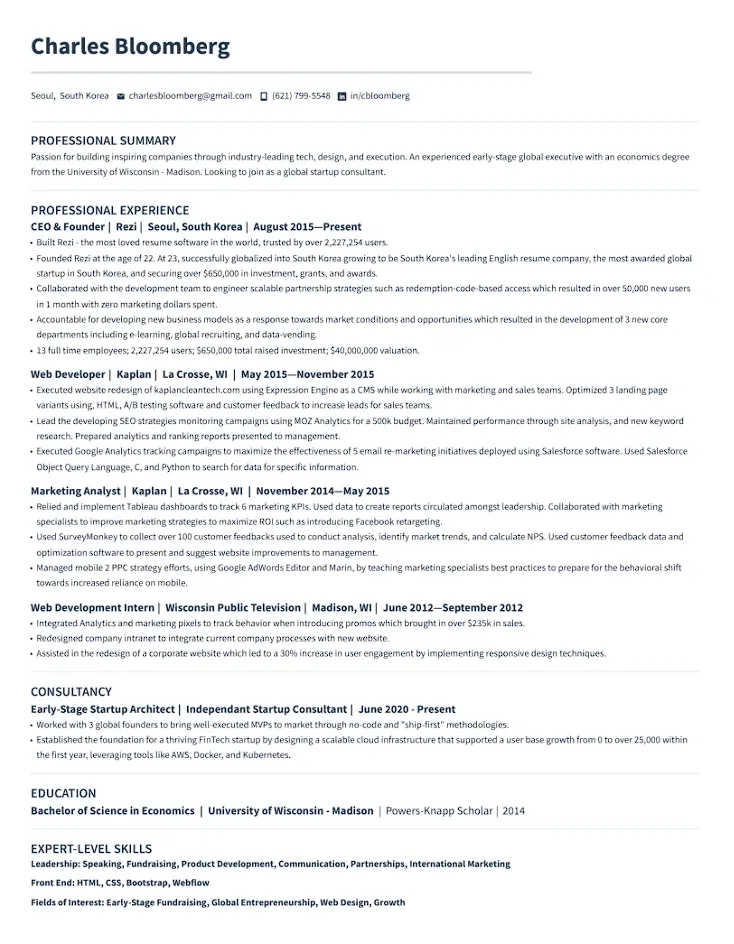
ATS Friendly Resume: How to Build One That Gets Past the Bots (+ Free Templates)
Learn how to create an ATS friendly resume that passes applicant tracking systems. Expert formatting tips, keyword strategies, common mistakes to avoid, and free ATS-optimized templates.
Alex Khamis · 17 min read
14+ Best resume writing services for 2025
Discover the best resume writing services and how they can help you create the right resume for your industry and job description.
Alex Khamis · 22 min read
How to create a software engineer resume in 2025
Learn how to craft a standout software engineer resume in 2025. Expert tips on formatting, content structure, and highlighting achievements that catch recruiters' attention.
Alex Khamis · 8 min read
11+ Customer service representative resume examples & templates
Explore these top customer service representative resume examples and templates to build the perfectly ATS-optimized resume.
Alex Khamis · 23 min read
20+ Software Engineer Resume Examples
Use these software engineer resume templates to pass applicant tracking systems and land your next engineering interviews.
Alex Khamis · 31 min read
How to Get and Improve Your Resume Score for Free with Resumatic.ai
Learn how to check your resume score and improve it for free using Resumatic. Get expert tips to optimize your resume for ATS compatibility, formatting, and keyword relevance to stand out to recruiters.
Alex Khamis · 3 min read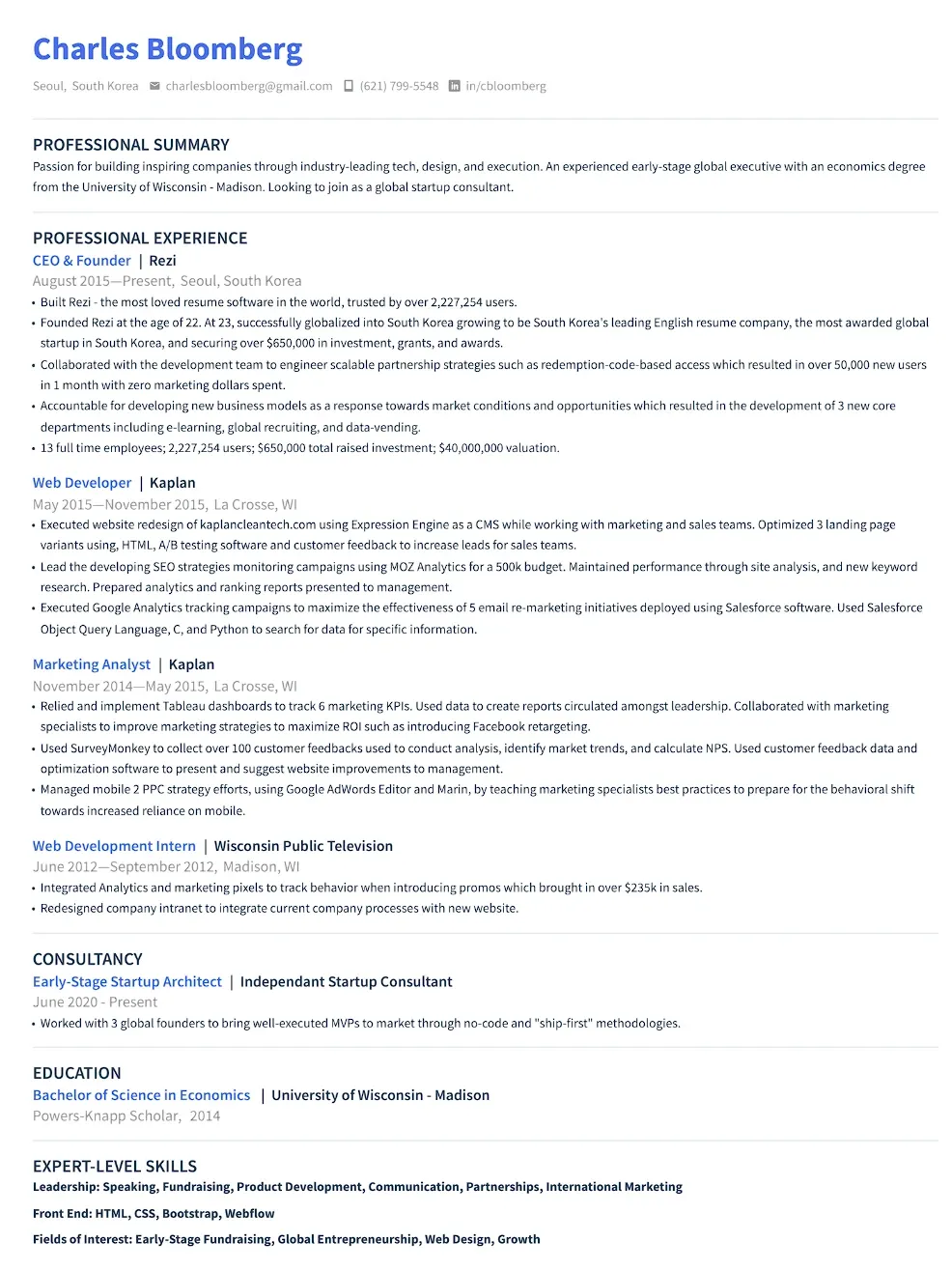
Best resume formats: Examples & free templates
Access and learn about the best resume formats and templates to help you build an ATS-friendly resume that recruiters see.
Alex Khamis · 12 min read
How Long Should a Resume Be? Page-Count Rules for 2026, Backed by Real Data
The ideal resume length for your career stage. Expert guidelines on how many pages your resume should be, backed by research and industry insights.
Alex Khamis · 8 min read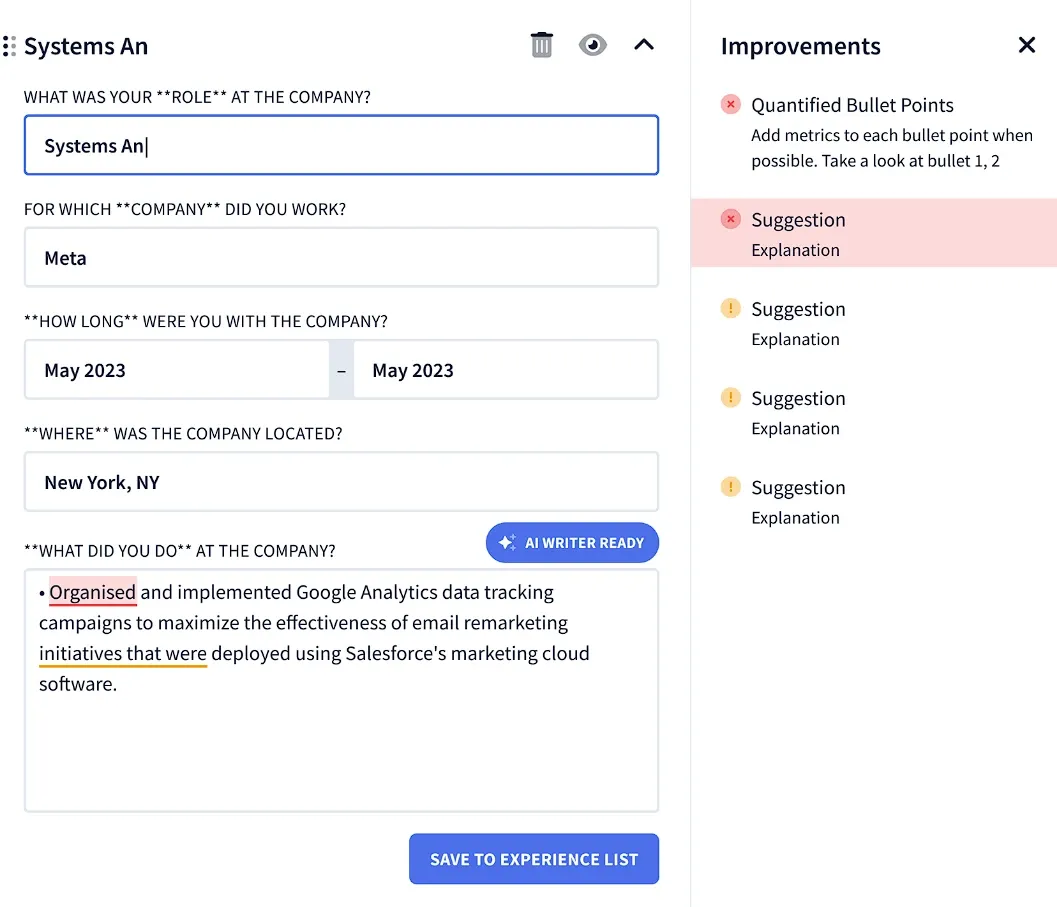
9 Best AI resume builders
Use the best AI resume builder to create the perfect resume that will wow recruiters and help you find your dream job.
Alex Khamis · 17 min read
45+ Best Skills to Put on a Resume
Discover how to choose the best skills to put on a resume for any industry, including hard skills, technical skills, and work methodologies.
Alex Khamis · 14 min read
ATS Resume Scanner & Checker: How to Optimize Your Resume for Applicant Tracking Systems
Learn what an ATS resume is, how ATS resume checkers work, and tips to create an ATS-friendly resume.
Alex Khamis · 7 min read
5 Essential Resume Tips to Boost Your Interviews
One of the biggest challenges with resume tips from the internet is their subjectivity.
Alex Khamis · 3 min readYour next job starts with a better resume.
Join 4.5M job seekers tailoring every application in about ninety seconds.
SUMMARY
Passion for building inspiring consumer software companies through industry-leading tech, design, and execution. An experienced early-stage global executive with an economics degree from the University of Wisconsin Madison.
EXPERIENCE
· Relied and implement Tableau dashboards to track 6 marketing KPIs. Used data to create reports circulated amongst leadership. Collaborated with marketing specialists to improve marketing strategies to maximize ROI such as introducing Facebook retargeting.
· Used SurveyMonkey to collect over 100 customer feedbacks used to conduct analysis, identify market trends, and calculate NPS. Used customer feedback data and optimization software to present and suggest website improvements to management.
· Managed mobile 2 PPC strategy efforts, using Google AdWords Editor and Marin, by teaching marketing specialists best practices to prepare for the behavioral shift towards increased reliance on mobile.
· Executed website redesign of kaplancleantech.com using Expression Engine as a CMS while working with marketing and sales teams. Optimized 3 landing page variants using HTML, A/B testing software and customer feedback to increase leads for sales teams.
· Lead the developing SEO strategies monitoring campaigns using MOZ Analytics for a 500k budget. Maintained performance through site analysis, and new keyword research. Prepared analytics and ranking reports presented to management.
· Executed Google Analytics tracking campaigns to maximize the effectiveness of 5 email re-marketing initiatives deployed using Salesforce software. Used Salesforce Object Query Language, C, and Python to search for data for specific information.
· Contributed to Deck Writing, Channel Allocation, Budgeting, and more.
PROJECT
· Mentored 3 global founders to bring well-executed MVPs to market through no-code and "ship-first" methodologies.
EDUCATION
SKILLS
Leadership: Speaking, Fundraising, Product Development, Communication, Partnerships, International Marketing
Fields of Interest: Early-Stage Fundraising, Global Entrepreneurship, Web Design, Growth
Front End: HTML, CSS, Bootstrap, Webflow
Design: Photoshop, Illustrator, Sketch